Home / Products / Marine Cranes / Marine Crane Selection, Deck Interface and Documentation Guide
TECHNICAL ENQUIRY GUIDE
Marine Crane Selection, Deck Interface and Documentation Guide
This guide helps owners, yards, naval architects and operators prepare a useful marine-crane enquiry. The responsible vessel and structural parties retain responsibility for the deck and foundation; ERBA Marine coordinates equipment selection from verified project information.
Photographs can explain the project, but they do not replace verified dimensions, drawings, load cases or technical interfaces.
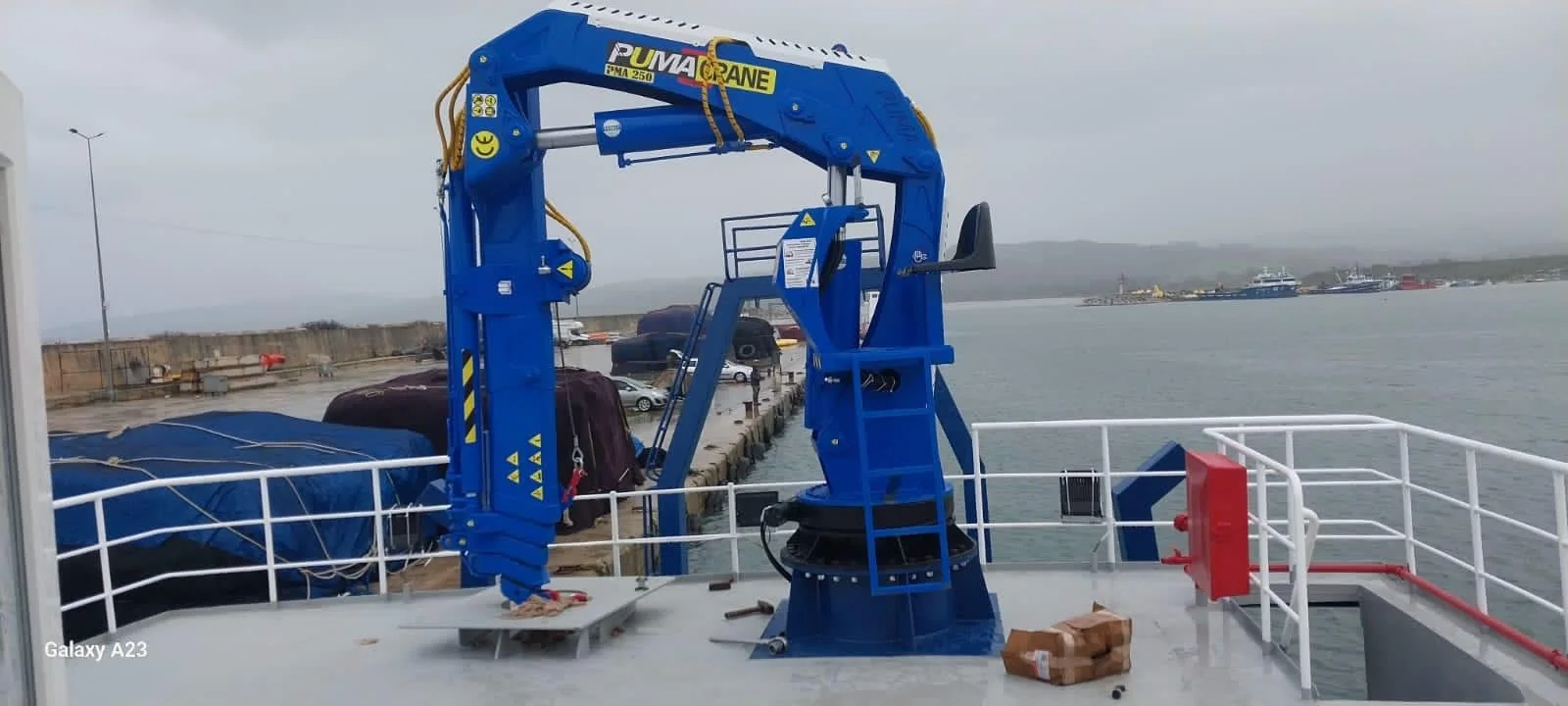
Load and outreach must always be stated together
The selection also depends on lift path, deck geometry, stowage, power, controls and documentation.
Marine-only review
Only marine-crane families, vessel applications and marine-context media are used.
Load at outreach
Selection starts from each required load and horizontal radius, not a tonnage headline alone.
Project interfaces
Deck, power, controls, stowage and documents are reviewed from verified project data.
Written confirmation
Final configuration, scope and applicable warranty route are stated in ERBA Marine’s quotation.
APPLICATION AND CONFIGURATION ROUTES
Where marine crane selection, deck interface and documentation guide may fit.
These are project and selection routes, not fixed model or capacity claims.
1. Define Load Cases
State every load together with the horizontal radius, lift height or depth and operating sector.
- Load including lifting gear
- Radius from crane centreline
- Normal and exceptional duties
2. Record Vessel & Deck
Provide the deck plan, proposed location, clearances, stowed envelope, access and foundation information.
- General arrangement
- Pedestal or base details
- Installation and maintenance route
3. Define Power & Controls
Document hydraulic and electrical systems plus operating and integration requirements.
- Pressure, flow and return
- Voltage and frequency
- Local, remote and emergency controls
4. State Duty & Environment
Provide the project’s operating, environmental and client design basis without assuming compliance.
- Duty cycle
- Vessel/project conditions
- Special function questions
5. List Required Documents
Identify the drawings, load chart, interfaces, manuals and agreed project or class deliverables.
- GA and dimensional drawing
- Approved load chart
- Hydraulic and electrical interfaces
6. Identify Project Type
Newbuilds, retrofits and replacements require different starting evidence and interface checks.
- Newbuild design data
- Existing installation survey
- Old model, serial and drawings
SELECTION PRIORITIES
A complete enquiry reduces avoidable clarification.
Use the following checks before asking for a crane quotation or replacement proposal.
Load schedule
Do not send a bare tonnage target. Pair every load with its required horizontal radius.
- Include lifting gear
- State hook height or depth
- Map the operating sector
Deck interface
The vessel’s structural party must verify the foundation and supporting structure.
- Base or pedestal geometry
- Deck material and arrangement
- Allowable reactions or design criteria
Power and integration
Available vessel systems must be known before controls and hydraulic scope can be reviewed.
- Pressure and flow
- Electrical supply
- Cooling, filtration and controls
Approval package
List exact project deliverables rather than assuming a generic certificate or class scope.
- Client and class requirements
- Drawings and calculations
- Inspection and record needs
TECHNICAL ENQUIRY CHECKLIST
What to send for a useful marine-crane review.
Complete load, geometry, vessel, interface and document information helps ERBA Marine identify missing inputs and prepare a more accurate technical and commercial response.
Load, vessel and operating duty
- Application, vessel type, name and length
- Newbuild, retrofit, replacement or parts requirement
- Required load at every required horizontal outreach
- Lift height above deck and depth below deck
- Required slew sector, hook path and deck obstructions
- Stowed envelope, access route and maintenance clearance
Deck, power, controls and documents
- Deck location, foundation or pedestal information and drawings
- Available hydraulic pressure and flow and electrical supply
- Local, remote, winch, hook and integration requirements
- Duty cycle, operating environment and project design basis
- Flag, class, client specification and document requirements
- Delivery location, schedule, plans and clear photographs
PROJECT PROCESS
A documented route from lifting duty to coordinated supply.
Marine-crane selection benefits from explicit load cases, interface checkpoints and written scope confirmation.
1. Send the duty data
Share load at each outreach, vessel and deck details, stowed envelope, power, controls and required documents.
2. Clarify interfaces
ERBA Marine identifies missing inputs and coordinates technical clarification for the intended crane family and project.
3. Confirm the proposal
The selected configuration, current load chart, interfaces, documentation, scope, price and delivery are confirmed in writing.
4. Coordinate supply
ERBA Marine remains the customer-facing contact through the supply scope stated in the quotation.
Important: Final capacity, outreach, dimensions, weight, materials, coating, controls, hydraulic or electrical interfaces, documents, applicable warranty route, price, delivery and any installation or commissioning scope are confirmed only in ERBA Marine’s written quotation.
MARINE-ONLY PROJECT EVIDENCE
Marine crane installations and application references.
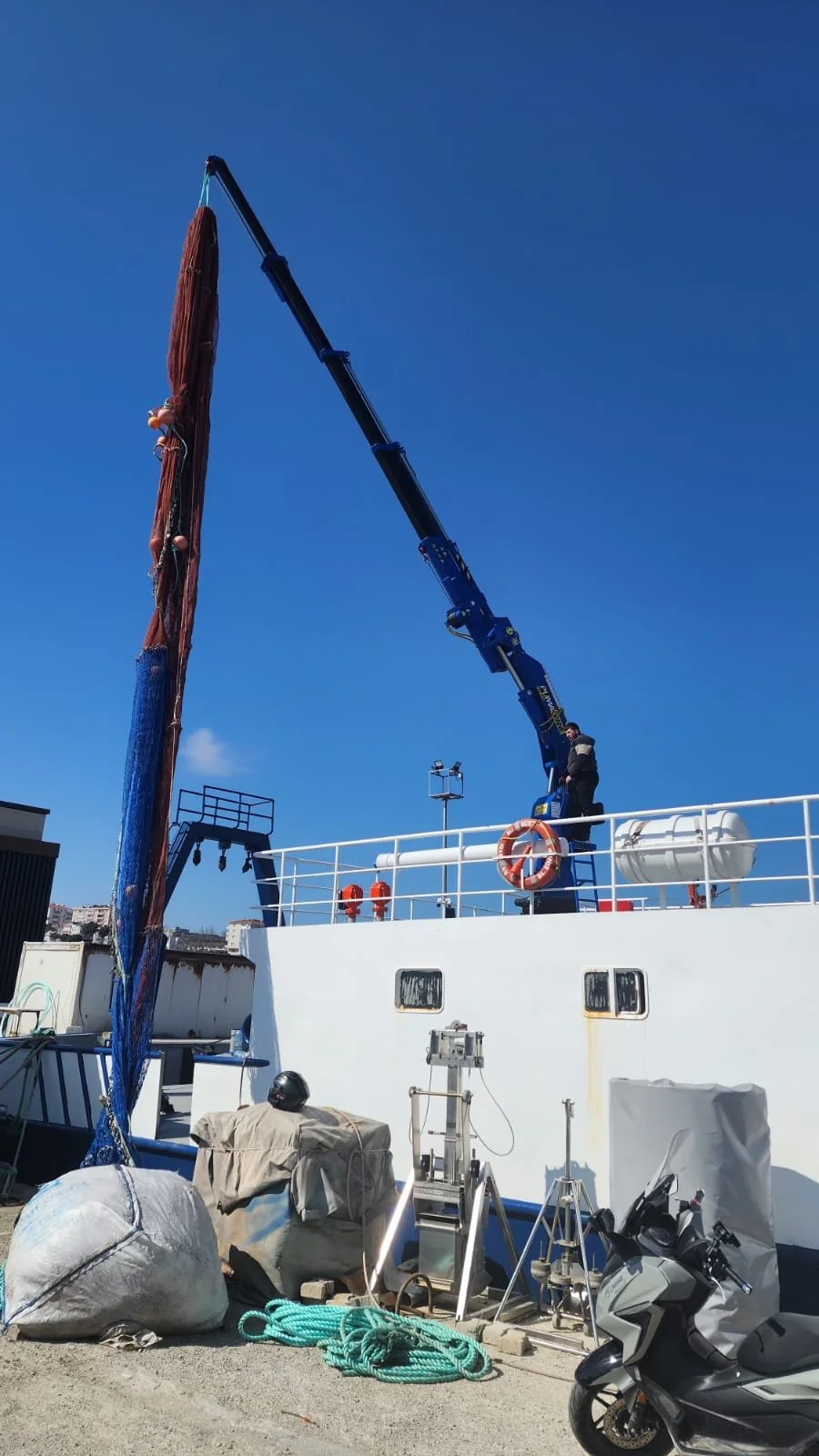
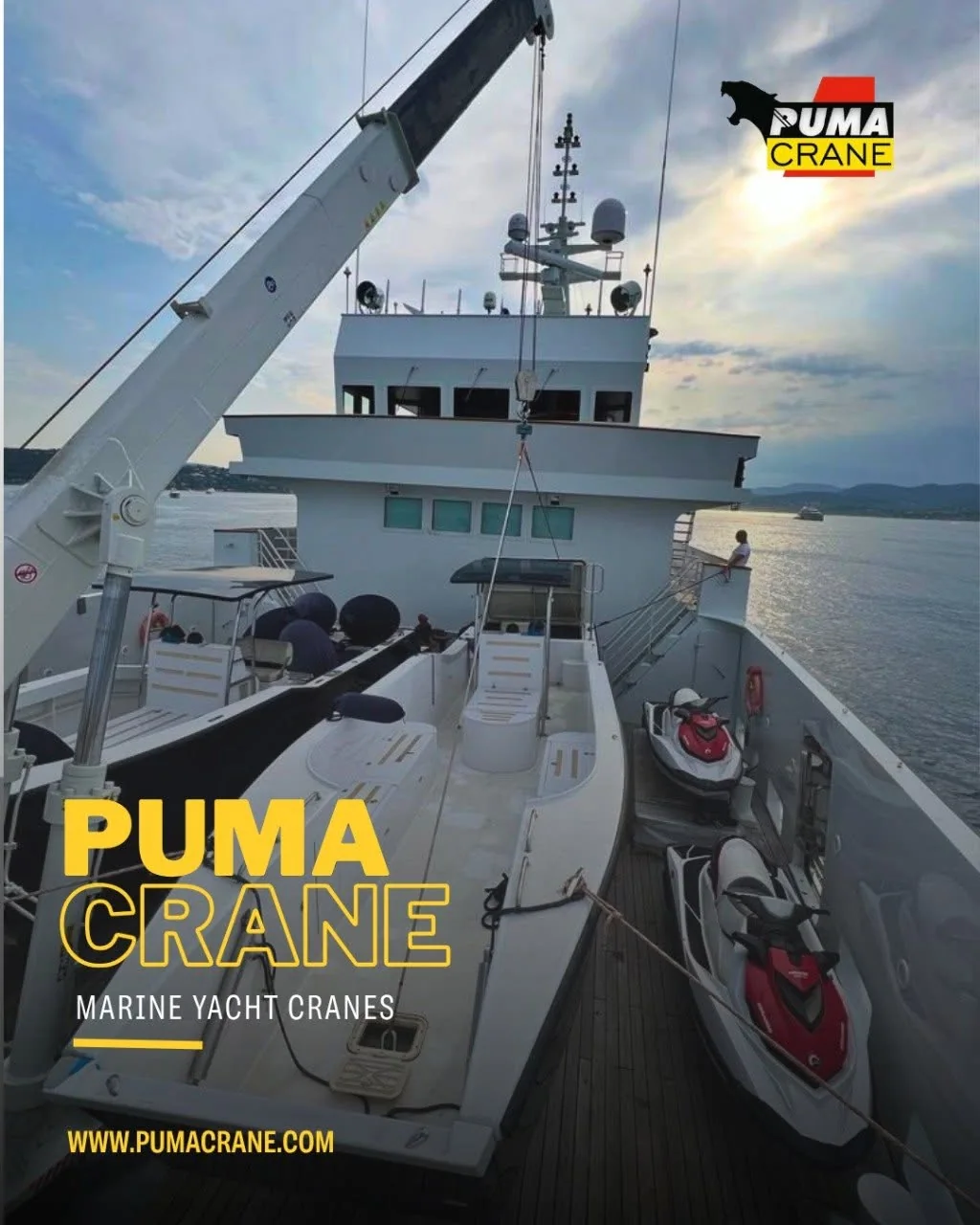
These curated manufacturer-source images show marine or vessel contexts. The visible arrangement does not establish a model, rating, certification or included project scope.
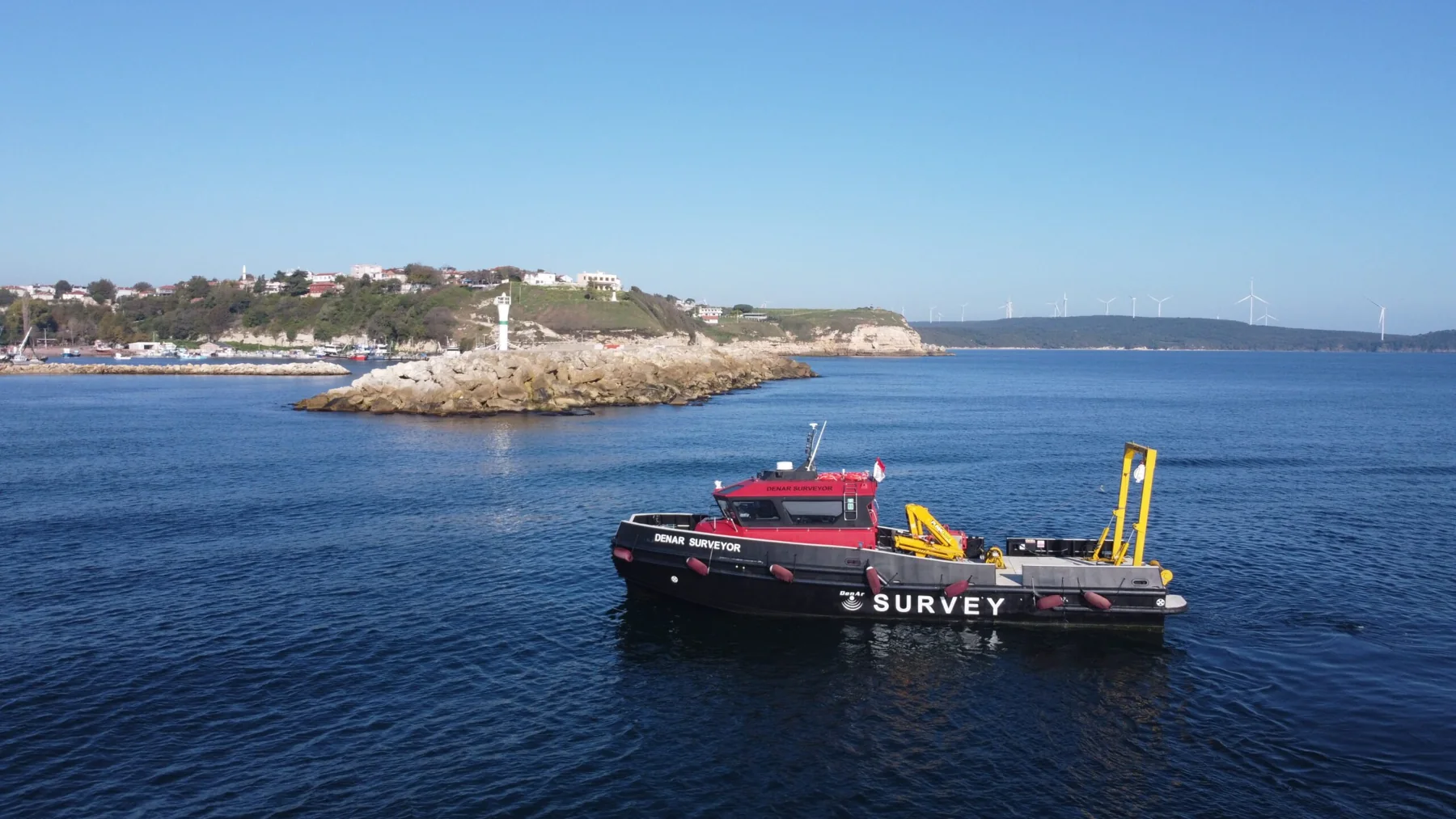
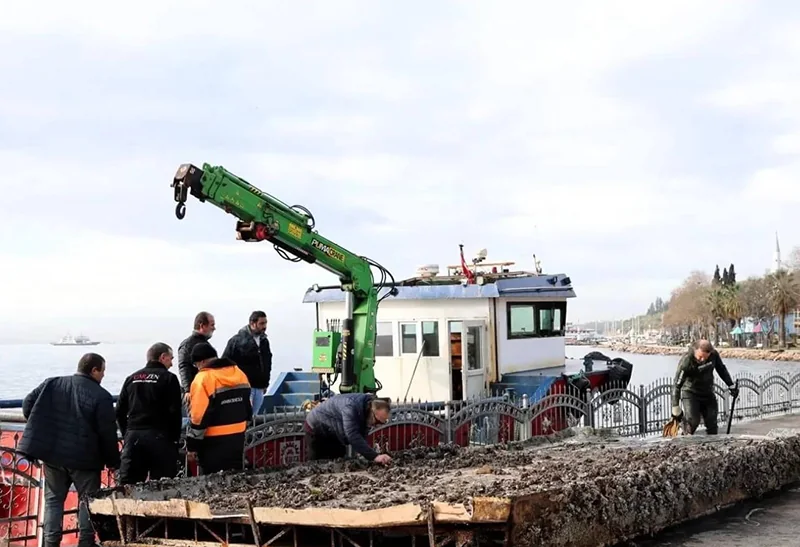

Manufacturer source and ERBA Marine coordination
Ozuyan/Puma states that its lifting-equipment manufacturing experience dates to 1966. ERBA Marine manages the customer’s technical enquiry, clarification and supply route from Dubai for UAE and GCC projects. Final configuration, load chart, deck interface, controls, documentation and applicable commercial scope are confirmed in writing.
FREQUENTLY ASKED QUESTIONS
Marine Crane Selection, Deck Interface and Documentation Guide FAQs
Practical answers for selection, replacement and project planning.
A crane’s lifting capacity changes with horizontal radius. A load value without its required radius is not enough for selection.
The responsible vessel designer, naval architect, yard or structural party must confirm the supporting structure using the selected crane’s verified loads and interfaces.
Provide available pressure, flow, return, cooling and filtration data plus voltage, phase, frequency, control supply and integration requirements where known.
The project should identify the required GA, dimensional drawing, current load chart, base or pedestal interface, hydraulic and electrical interfaces, manuals and any agreed project or class deliverables.
Photographs help explain the installation, but verified dimensions, load cases, power data and technical drawings are normally required.
Existing interfaces, model and nameplate, old load chart, power data, deck arrangement and verified survey information become essential.
PROJECT-SPECIFIC ENQUIRY
Request a Marine Crane Selection, Deck Interface and Documentation Guide review from ERBA Marine.
Send the strongest available load, outreach, deck, power, control and documentation information. ERBA Marine will identify missing data before quotation.
- Attach deck plans, crane drawings, load charts and clear photographs.
- State every required load together with its horizontal radius.
- Confirm the vessel power interfaces and stowed-space limits.
- Final configuration and scope are confirmed in writing.
Send Load, Reach & Deck Data
Fields marked * are required. PDF drawings, load charts and clear photographs are strongly recommended. Use a secure transfer route for CAD or archive files.
Your technical and contact information is sent only to ERBA Marine’s approved website enquiry recipients for follow-up.